


How Does Filter Press Hydraulic Closing Pressure Affect Industrial Filtration Efficiency?
May 22, 2026
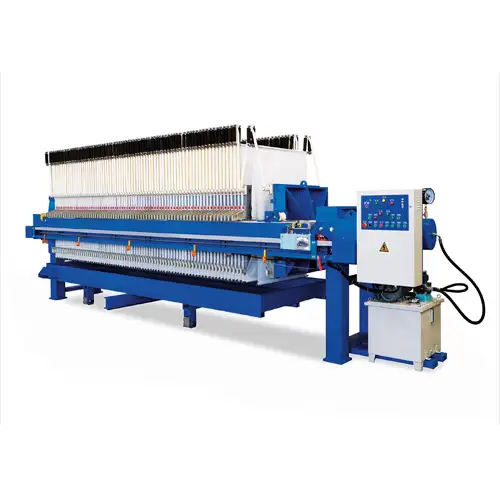
The filter press hydraulic closing pressure is one of the most critical parameters in ensuring effective solid-liquid separation. But why does hydraulic closing pressure matter, and how does it influence filtration efficiency and operational safety? In simple terms, hydraulic closing pressure refers to the force applied by the hydraulic system to tightly seal the filter plates during operation. Proper closing pressure ensures that slurry does not leak between plates, allows uniform cake formation, and maximizes throughput. In this article, we explore the impact of hydraulic closing pressure on filter press performance, factors influencing it, and best practices for industrial operators.
Understanding Filter Press Hydraulic Closing Pressure
What Is Hydraulic Closing Pressure?
Hydraulic closing pressure is the controlled force exerted by a filter press hydraulic system to compress all plates together during the filtration cycle. The pressure level is adjustable based on slurry characteristics and operational requirements. Proper application of closing pressure ensures:
- Minimal leakage between plates
- Uniform cake formation
- Optimal filtration speed
- Prolonged equipment life
Factors Affecting Closing Pressure
- Slurry Viscosity and Solid Content – Thick or high-solid slurries require higher closing pressure.
- Plate Type – Traditional plate-and-frame presses may need different pressure compared to membrane filter presses.
- Hydraulic System Capacity – Pumps and cylinders must be appropriately sized to deliver consistent pressure.
- Safety Margin – Excessive pressure can damage plates, while insufficient pressure reduces filtration efficiency.
Industrial operators aiming for optimal performance should evaluate their Filter Press specifications, ensuring that the hydraulic closing pressure matches operational needs.
The Role of Hydraulic Closing Pressure in Different Industries
Mining and Mineral Processing
In mining operations, filter presses handle high volumes of slurry with abrasive particles. Maintaining proper hydraulic closing pressure ensures complete sealing of plates, reduces leakage, and produces dry cakes suitable for downstream processing.
Chemical Industry
Chemical manufacturing involves reactive and corrosive slurries. Hydraulic closing pressure helps maintain a uniform seal, preventing cross-contamination and ensuring consistent product quality.
Wastewater Treatment
Municipal and industrial wastewater treatment plants rely on precise pressure control to manage sludge dewatering. Proper closing pressure minimizes plate leakage and ensures efficient separation even for thick, high-solid sludge.
Food and Beverage Industry
In food processing applications, such as starch or sugar production, controlling hydraulic closing pressure ensures clean separation, maintains product purity, and reduces operational downtime due to leaks or equipment strain.
Selecting the Right Hydraulic Closing Pressure
Matching Slurry Characteristics
Operators should consider slurry density, solid concentration, and particle size when determining the optimal closing pressure. High-viscosity slurries generally require stronger hydraulic force to achieve proper sealing.
| Slurry Type | Recommended Closing Pressure (bar) | Typical Application |
|---|---|---|
| Low-solid wastewater sludge | 10–15 | Municipal treatment plants |
| Medium-solid chemical slurry | 15–25 | Chemical and pharmaceutical plants |
| High-solid mining sludge | 25–35 | Mining and mineral processing plants |
Table 1: Recommended Hydraulic Closing Pressure for Various Slurry Types
Advanced Considerations
- Cycle Time vs Pressure – Higher closing pressure may slightly increase cycle time but improves cake dryness and filtration efficiency.
- Plate Material – Reinforced or polypropylene plates tolerate higher pressures than standard materials.
- Automation Integration – Modern hydraulic systems allow programmable pressure adjustments based on slurry monitoring for optimal performance.
For precise guidance on optimizing your filtration setup and hydraulic system, contact our experts here to receive tailored advice.
Maintaining Optimal Hydraulic Pressure
Regular Inspection and Maintenance
Hydraulic cylinders, hoses, and valves must be routinely checked for leaks or wear. Malfunctioning components reduce closing pressure consistency, directly affecting filtration performance.
Proper Cleaning and Lubrication
Hydraulic systems must be kept free from contaminants to maintain smooth operation. Regular lubrication of moving parts ensures uniform pressure and reduces wear.
Upgrading Hydraulic Systems
Upgrading pumps, valves, or cylinders can increase precision and reliability, allowing filter presses to handle higher throughput and more challenging slurries.
In modern operations, Membrane Filter Press technology can further enhance hydraulic efficiency by providing compressible plates that squeeze out additional water, improving cake dryness without increasing cycle time.
Common Questions About Hydraulic Closing Pressure
Q1: Can hydraulic closing pressure be too high?
A: Yes. Excessive pressure can crack plates, damage frames, and shorten the lifespan of filter cloths. Always follow manufacturer specifications.
Q2: How do I know the correct pressure for my slurry?
A: Evaluate slurry solid content, viscosity, and particle size. Manufacturer guidelines and experience from similar processes provide the best reference.
Q3: Does pressure affect cake dryness?
A: Yes. Higher but appropriate closing pressure ensures tighter plate sealing, leading to drier cakes and improved throughput.
Q4: How often should hydraulic systems be serviced?
A: At minimum, inspections should occur monthly in heavy-duty applications. Critical components may require quarterly or semi-annual maintenance.
Why Choose Jingjin Filter Press Solutions
Jingjin is a leading provider of industrial filtration equipment. Our solutions are engineered for maximum reliability, efficiency, and safety. We supply advanced Filter Press systems with optimized hydraulic closing pressure control, as well as innovative Membrane Filter Press solutions for challenging industrial applications. With professional technical support and custom engineering, Jingjin ensures your filtration processes operate at peak performance with minimal downtime.