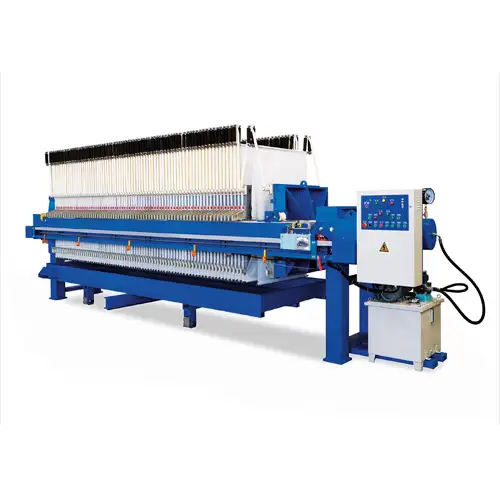
Selecting the wrong materials for industrial dewatering equipment leads to rapid chemical degradation, frequent component failures, and expensive production shutdowns. For chemical plant managers, mining engineers, and wastewater procurement professionals, checking...
The ideal filter press operating temperature range typically depends on slurry composition, filter media selection, and the structural design of the system, but in most industrial applications it falls between ambient temperature and approximately 80°C, with some...
Industrial plant managers, environmental engineers, and wastewater processing directors are frequently confronted with unexpected declines in solid-liquid separation efficiency. These efficiency drops typically manifest as prolonged cycle times, wet filter cakes, and...
Filter press dry solids throughput is one of the most critical indicators for evaluating industrial dewatering performance because it directly affects processing efficiency, operating cost, sludge disposal volume, and overall production profitability. A higher dry...
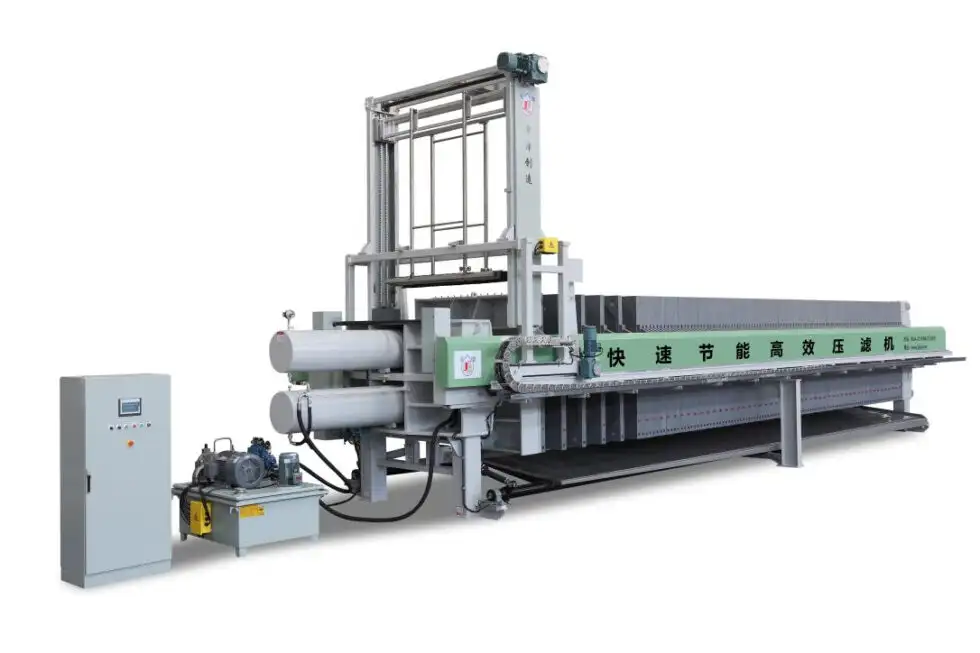
The filter press hydraulic closing pressure is one of the most critical parameters in ensuring effective solid-liquid separation. But why does hydraulic closing pressure matter, and how does it influence filtration efficiency and operational safety? In simple terms,...