


How Can Chemical Process Filtration Enhance Efficiency and Safety in Your Plant?
Mar 13, 2026
In chemical manufacturing, managing solid-liquid separation efficiently is crucial for both productivity and safety. The question often arises: How can chemical process filtration improve operations, reduce downtime, and ensure product quality? The answer lies in selecting the right filtration system, such as Membrane Filter Press, designed specifically for the chemical processes you operate. These systems allow plants to handle abrasive, corrosive, or viscous slurries with precision, reduce waste, and enhance filtrate clarity. In this article, we explore how chemical process filtration works, its benefits, and practical guidance for industrial applications.
Understanding Chemical Process Filtration
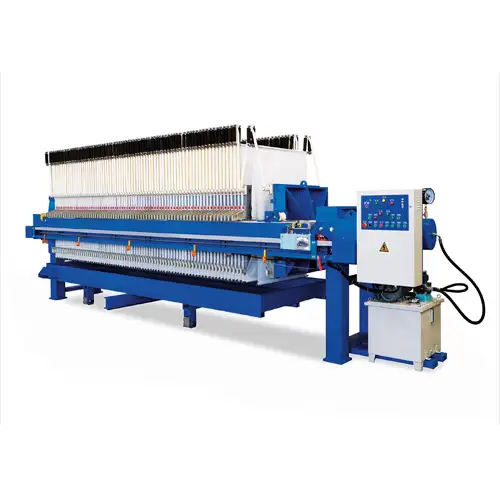
Chemical process filtration refers to methods and equipment used to separate solids from liquids in chemical manufacturing. Efficient separation prevents equipment fouling, ensures consistent product quality, and allows safe handling of hazardous substances. Industrial filter presses and membrane presses are common choices, offering high dewatering efficiency and adaptable capacity.
Key Components of a Filter Press System
A typical filter press system consists of:
- Filter plates and frames or recessed chambers
- Filter media (cloths or membranes)
- Hydraulic systems for plate compression
- Feed pumps and filtrate collection channels
Each component contributes to optimal separation by controlling slurry flow, pressure, and cake formation.
Role of Membrane Filter Presses
Membrane Filter Presses provide additional cake compression through inflatable membranes, resulting in drier solids and higher throughput. This technology is particularly beneficial in chemical process filtration where moisture control and precise solids recovery are critical.
Benefits of Chemical Process Filtration
Enhanced Product Quality
Effective filtration reduces the presence of impurities in chemical products, ensuring consistent quality and compliance with industrial standards.
Operational Efficiency
High-performance industrial filter presses allow for shorter cycle times and higher throughput. Automated systems reduce manual intervention, minimizing labor costs and downtime.
Environmental and Safety Compliance
Filtration minimizes liquid discharge and ensures proper management of hazardous by-products. Advanced presses reduce waste volumes and support recycling of filtrate within the plant.
Selecting the Right Filter Press for Your Chemical Process
Choosing the appropriate press depends on slurry characteristics, production volume, and operational goals.
Plate and Frame vs Recessed Chamber
Plate and frame presses offer flexibility for smaller batches and moderate throughput. Recessed chamber presses, however, are optimized for higher volumes and continuous operation, providing faster dewatering.
Membrane Press Advantages
Membrane presses are ideal when very dry cake is required. Inflatable membranes squeeze the solids more effectively, improving cake dryness and reducing handling costs.
Material Considerations
Chemical slurries may be corrosive or abrasive. Plates and frames made from polypropylene or stainless steel improve durability and reduce maintenance requirements.
Operational Best Practices
Slurry Pre-treatment
Adjusting slurry concentration and pH before filtration improves efficiency and prolongs equipment life.
Cycle Time Optimization
Balancing feed pressure, cake thickness, and filtration duration ensures maximum throughput without compromising filtrate quality.
Regular Maintenance
Routine inspection of plates, filter cloths, and hydraulic systems prevents downtime and extends equipment life.
Table: Comparison of Filter Press Types for Chemical Filtration
| Press Type | Cycle Time | Cake Moisture | Automation | Best Use Case |
|---|---|---|---|---|
| Plate & Frame | Moderate | Moderate | Low | Small-to-medium batch operations |
| Recessed Chamber | Short | Low | High | High-volume continuous chemical processing |
| Membrane Filter Press | Shortest | Lowest | High | Drier solids, high throughput, demanding slurries |
For a tailored solution to enhance your chemical process filtration, contact our engineering team today: Contact Us
Case Examples in Chemical Manufacturing
Specialty Chemicals
Membrane filter presses have enabled specialty chemical producers to achieve consistent cake dryness, improving downstream processing and reducing waste.
Bulk Industrial Chemicals
Recessed chamber presses allow bulk chemical manufacturers to process large volumes efficiently, minimizing cycle time and labor requirements.
Hazardous Chemical Handling
Filter presses with corrosion-resistant plates ensure safe dewatering of hazardous slurries, protecting both operators and equipment.
Frequently Asked Questions
Q1: Can chemical process filtration handle corrosive slurries?
Yes, by selecting filter plates and frames made of chemically resistant materials like polypropylene or stainless steel.
Q2: What is the difference between a standard filter press and a membrane press?
Membrane presses provide additional cake compression through inflatable membranes, yielding lower moisture content and higher throughput.
Q3: How often should filter cloths be replaced?
Replacement depends on slurry abrasiveness and chemical exposure; typical intervals range from months to over a year.
Q4: Can filter presses be automated for continuous operation?
Yes, automation including PLCs and hydraulic systems allows continuous operation, reducing manual labor and increasing throughput.
Q5: What industries benefit most from chemical process filtration?
Chemical manufacturing, pharmaceutical production, mining chemicals, and industrial wastewater treatment often rely on advanced filter press technology.
About Jingjin
Jingjin is a leading filter press supplier providing comprehensive solutions for chemical process filtration. Our product engineered for efficiency, durability, and safety. With decades of experience, Jingjin delivers high-performance filtration equipment, tailored support, and expert guidance to help B2B clients optimize chemical production processes.
References
- “Filter press,” Wikipedia, https://en.wikipedia.org/wiki/Filter_press
- “Membrane Filter Press Applications,” Filtration News, https://www.filtrationnews.com/membrane-filter-press
- “Industrial Filtration Equipment,” Engineering Toolbox, https://www.engineeringtoolbox.com/filter-press-d_1898.html