


How Can Industries Effectively Address Water Pollution and Industries Compliance Challenges?
Fév 24, 2026
Water pollution and industries are inseparably linked, and the most effective way to address this challenge is through structured wastewater management, advanced solid-liquid separation technologies, and strict compliance monitoring. Industrial activities generate wastewater containing suspended solids, heavy metals, oils, chemicals, and organic pollutants. Without efficient treatment systems, these contaminants pose environmental risks, regulatory penalties, and reputational damage. For decision makers, the solution is not only about meeting discharge standards but also about optimizing operational costs, recovering valuable resources, and improving sustainability performance. This article explores how industries can strategically tackle water pollution through engineered filtration systems, particularly filter press technology.
Understanding the Relationship Between Water Pollution and Industries
Industrial development has driven global economic growth, but it has also significantly contributed to water contamination. Sectors such as mining, chemical processing, pharmaceuticals, textiles, metallurgy, food processing, and municipal utilities generate complex wastewater streams.
Major Sources of Industrial Water Pollution
Industrial wastewater typically contains:
- Suspended solids from mineral processing
- Heavy metals from electroplating and mining
- Organic compounds from chemical and pharmaceutical production
- Oils and grease from mechanical operations
- Nutrients and biological residues from food industries
These pollutants must be treated before discharge to comply with environmental regulations. Failure to do so may result in fines, operational shutdowns, or legal liabilities.
Regulatory and Environmental Pressure
Governments worldwide have strengthened discharge standards, requiring industries to reduce chemical oxygen demand, total suspended solids, and hazardous contaminants. Compliance demands reliable dewatering and sludge management systems.
Detailed insights into industrial water risks can be found in discussions related to industrial water and water pollution, which highlight the growing importance of advanced filtration solutions.
Why Solid-Liquid Separation Is Critical in Industrial Wastewater Treatment
Water pollution control does not end with chemical neutralization or biological treatment. The removal of sludge and concentrated solids is a critical stage in minimizing environmental impact.
The Role of Filter Press Technology
Filter presses provide high-efficiency solid-liquid separation by applying pressure to sludge, forming filter cakes and separating clean filtrate. Compared with other dewatering methods, filter presses achieve:
- Higher cake dryness
- Lower sludge volume
- Reduced transportation costs
- Improved compliance stability
An advanced industrial filter press is engineered to handle high pressure filtration cycles while maintaining structural stability and operational efficiency.
Impact on Operational Efficiency
By reducing sludge moisture content, industries significantly lower disposal expenses. In sectors like mining and chemical production, recovered solids can even be recycled back into production processes, improving resource efficiency.
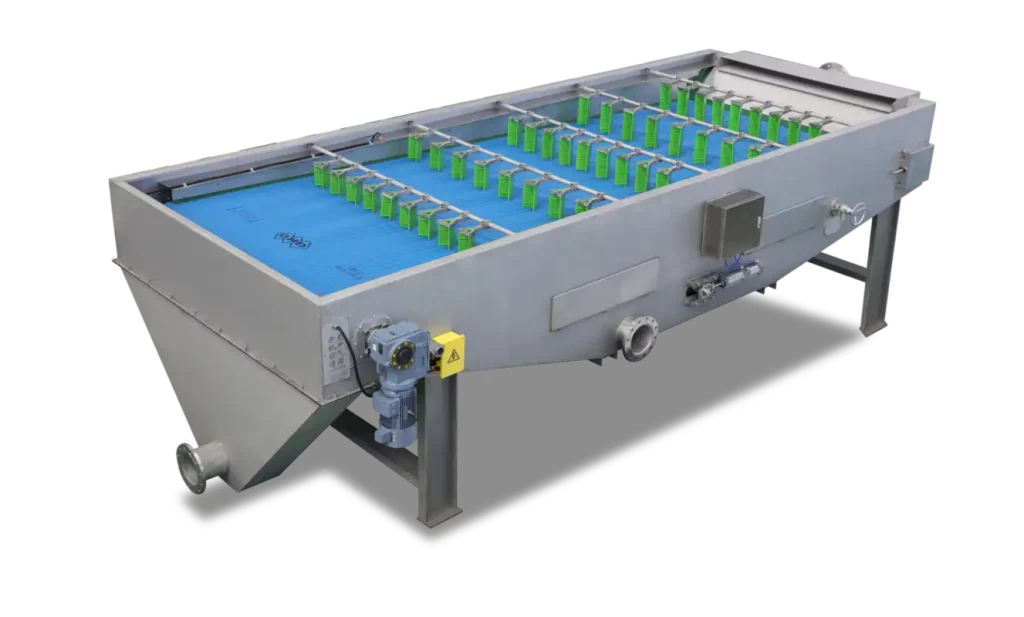
Industry-Specific Applications of Filter Press Systems
Different industrial sectors face distinct wastewater characteristics, requiring tailored filtration strategies.
Mining and Metallurgy
Mining operations produce tailings with high solid content. Filter presses dewater slurry into compact cakes suitable for dry stacking, reducing environmental risk.
Chemical and Pharmaceutical Industries
These industries generate hazardous sludge that requires secure handling. High-pressure filtration ensures maximum liquid removal, minimizing hazardous waste volume.
Food and Beverage Processing
Organic sludge must be treated efficiently to prevent odor and contamination risks. Filter presses offer consistent performance with reduced manual intervention.
Textile and Dyeing Facilities
Color-laden wastewater requires effective separation to meet strict discharge standards. Filter presses help remove pigment residues and suspended particles.
Table 1: Typical Industrial Wastewater Characteristics and Filtration Requirements
| Industry | Wastewater Type | Filtration Objective | Key Benefit |
|---|---|---|---|
| Mining | Mineral slurry | High dryness cake | Reduced tailings volume |
| Chemical | Hazardous sludge | Maximum solid separation | Regulatory compliance |
| Food | Organic residues | Efficient dewatering | Lower disposal cost |
| Textile | Dye-containing effluent | Pigment removal | Improved discharge quality |
Optimizing Filter Press Performance to Combat Water Pollution
To effectively manage water pollution and industries compliance challenges, operational optimization is essential.
Proper Equipment Selection
Choosing the right plate size, chamber configuration, and pressure rating ensures stable performance. Large-scale operations may require automated systems with membrane plates for enhanced cake dryness.
Automation and Monitoring
Modern filter presses incorporate automated plate shifting, cloth washing, and PLC-based monitoring systems. These features reduce labor costs and minimize operational errors.
Maintenance and Lifecycle Management
Routine inspection of hydraulic systems, filter cloths, and sealing components prevents leakage and performance degradation. Long-term reliability is critical for uninterrupted compliance.
If your organization is seeking customized wastewater treatment solutions, connect with our engineering team here: Consult our filtration experts
Economic and Environmental Benefits of Advanced Filter Press Solutions
Investing in high-performance filtration equipment delivers measurable financial and sustainability returns.
Reduced Waste Disposal Costs
Lower moisture content decreases sludge transport frequency and landfill fees.
Improved Water Recovery
Clean filtrate can be reused in certain processes, reducing freshwater consumption.
Enhanced Corporate Sustainability
Demonstrating proactive environmental management strengthens brand credibility and investor confidence.
Table 2: Cost and Environmental Impact of Filter Press Implementation
| Performance Indicator | Before Optimization | After Filter Press Integration |
|---|---|---|
| Sludge Volume | High | Reduced significantly |
| Disposal Cost | Elevated | Lower operational cost |
| Water Reuse Rate | Limited | Improved recycling capacity |
| Compliance Risk | Moderate to High | Controlled and stable |
A well-designed Jingjin filter press integrates structural strength, automated control, and optimized filtration efficiency to meet demanding industrial standards.
Strategic Considerations for Decision Makers
Addressing water pollution and industries compliance is not solely an environmental obligation. It is a strategic operational decision.
Executives must evaluate:
- Capital expenditure versus lifecycle savings
- Regulatory risk exposure
- Long-term scalability of treatment systems
- Energy efficiency and automation level
- Supplier reliability and technical support
Selecting a trusted filter press supplier ensures consistent performance and long-term partnership support.
Frequently Asked Questions
What industries contribute most to water pollution
Mining, chemical processing, textile manufacturing, and food processing industries are among the largest contributors due to high wastewater generation.
How does a filter press help reduce water pollution
A filter press separates solids from wastewater, reducing contaminant concentration and enabling compliant discharge or safe disposal.
Is filter press technology suitable for hazardous sludge
Yes, high-pressure systems are widely used in chemical and pharmaceutical sectors for secure dewatering of hazardous materials.
What factors influence filter press selection
Sludge characteristics, required dryness, processing capacity, automation level, and regulatory requirements are key factors.
Can treated water be reused after filtration
In many cases, filtered water can be recycled within industrial processes, reducing freshwater demand.
Conclusion
Water pollution and industries challenges demand reliable, high-efficiency treatment technologies that ensure regulatory compliance, operational cost control, and environmental stewardship. Filter press systems offer robust solid-liquid separation, high cake dryness, and scalable performance across diverse industrial applications. For decision makers, investing in advanced filtration is a strategic move toward sustainable industrial growth.
Jingjin is a global filter press supplier committed to delivering innovative and high-performance separation solutions. With advanced manufacturing facilities, extensive application expertise, and comprehensive technical support, Jingjin provides tailored systems that help industries effectively manage wastewater challenges while improving operational efficiency and compliance reliability.
References
Water pollution overview: https://en.wikipedia.org/wiki/Water_pollution
Industrial wastewater treatment: https://en.wikipedia.org/wiki/Industrial_wastewater_treatment
United Nations Environment Programme water resources: https://www.unep.org/explore-topics/water