


How Does Filter Press Chemical Compatibility Impact Your Plant Lifecycle Costs?
Jul 6, 2026
Selecting the wrong materials for industrial dewatering equipment leads to rapid chemical degradation, frequent component failures, and expensive production shutdowns. For chemical plant managers, mining engineers, and wastewater procurement professionals, checking chemical parameters before purchasing a system remains the single most important step to protect your operational investments. The brief answer is that filter press chemical compatibility dictates the operational life of your filter plates, filter cloths, and internal manifolds by preventing corrosive etching, polymer swelling, and thermal degradation when exposing the machine to aggressive acids, alkalis, or organic solvents. Throughout this technical guide, we will analyze how chemical interactions affect component choices and explore real-world material selection strategies to maximize your equipment lifespan.
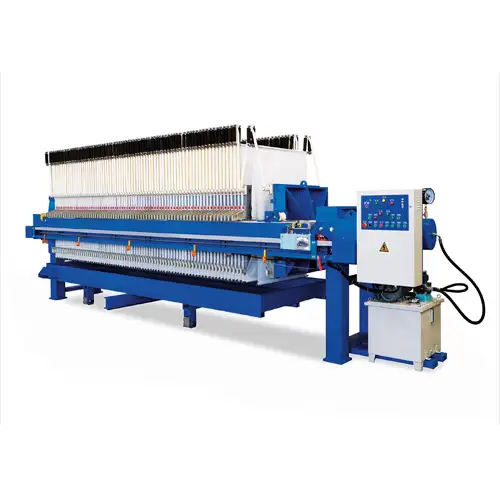
The Chemistry Behind Industrial Liquid-Solid Separation
Industrial slurries rarely consist of neutral water and benign solids. Most industrial filtration applications involve complex chemical matrices containing highly concentrated hydrochloric acid, caustic soda, petroleum solvents, or abrasive mineral salts. When pumping these aggressive mixtures into an automated machine under high pressures, the chemical compounds interact dynamically with every wetted surface.
If a factory installs incompatible components, the structural polymers will quickly suffer from chemical stress cracking or localized pitting corrosion. For instance, exposing standard polypropylene plates to strong oxidizing agents like nitric acid causes the polymer chains to fracture over time. This structural breakdown reduces the mechanical strength of your filtration chambers, creating safety hazards and causing premature pressure blowouts during operation.
Choosing the Right Structural Materials for Filter Plates
Polypropylene and Advanced Co-Polymers
High-density polypropylene remains the industry standard for most industrial dewatering applications due to its excellent cost-to-performance ratio and wide chemical tolerance. This versatile material handles a vast pH range from 1 to 14, making it highly effective for municipal sludge processing and standard chemical neutralizing circuits. However, standard polypropylene struggles when interacting with aromatic hydrocarbons, chlorinated solvents, and high operating temperatures exceeding 90 degrees Celsius.
Specialized PVDF and Nylon Formulations
For extreme industrial environments that destroy standard polymers, processing plants specify premium materials like Polyvinylidene Fluoride or specialized Nylon blends. PVDF provides exceptional resistance to strong acids, halogens, and organic solvents even at elevated operational temperatures. Mining facilities processing highly acidic copper leach solutions rely heavily on these advanced fluoropolymers to maintain structural integrity across decades of continuous service.
Evaluating Textile Compatibility for Filter Cloths
Synthetic Fibers and Chemical Resistance Profiles
The filter cloth performs the actual physical separation of solids from liquid, making its chemical durability vital for filtration efficiency. Engineers must evaluate whether the synthetic fibers will stretch, shrink, or dissolve when contacting specific process chemicals. Polyester fibers provide excellent resistance to acidic solutions but degrade rapidly when exposed to strong alkaline environments. Conversely, nylon cloths excel in high-pH caustic processing lines but deteriorate when encountering concentrated acids.
Selecting the Right Filter Press System for Your Process
When looking to invest in a complete system, exploring a premium Industrial Filter Press configuration ensures you get a machine built with matched chemical and mechanical specifications. Matching fiber types with your slurry chemistry prevents premature blinding, maintains optimal cake moisture levels, and minimizes manual wash cycles for your maintenance staff.
Analyzing the Impact of Thermal and Chemical Synergies
Chemical reactivity increases dramatically as the temperature of your process slurry rises. A material that performs adequately at 20 degrees Celsius might fail completely within weeks if the operating temperature increases to 60 degrees Celsius. For example, hot acidic slimes in zinc refineries accelerate polymer oxidation, requiring careful thermal-chemical charting during the initial project design phase.
High operational pressures compress your filter plate stack with immense mechanical force. If the chemical slurry softens the plate material simultaneously, the sealing surfaces will deform, resulting in severe liquid spraying and pressure loss. To eliminate these operational risks, high-pressure chemical processing plants often implement an advanced Tube Press Filter system, which handles extreme pressure filtration while utilizing highly specialized elastomeric bladders designed for specific solvent tolerances.
Technical Matrix for Common Slurry Environments
To assist your engineering team during the equipment selection phase, the table below maps common structural polymers and fiber materials against various industrial chemical classes.
Table 1: Chemical Compatibility and Thermal Limits for Filter Press Components
| Material Category | Acid Resistance (pH 1-5) | Alkali Resistance (pH 9-14) | Solvent Resistance | Maximum Operating Temp |
| Polypropylene (PP) | Excellent | Excellent | Poor to Fair | 90°C |
| Polyvinylidene Fluoride (PVDF) | Outstanding | Good | Outstanding | 130°C |
| Polyester Cloth | Excellent | Poor | Good | 120°C |
| Nylon Cloth | Poor | Excellent | Excellent | 115°C |
If you need a detailed budget estimate for an optimized system built for your specific chemical process, you can check our competitive China Filter Press Price options to find an economical, high-performance solution.
Operational Savings from Smart Material Selection
Industrial buyers often focus too much on the initial capital cost of dewatering equipment while ignoring long-term maintenance expenses. Purchasing low-cost, mismatched filter plates leads to frequent crack failures, requiring labor-intensive plate replacements and halting your main production lines. Choosing chemically compatible components reduces your total cost of ownership by extending cloth life, preventing structural leaks, and maintaining steady production throughput.
If you are currently designing a new chemical processing line or upgrading a corrosive waste stream system, please reach out via our contact page at https://www.jingjinfilter.com/contact-us/ to get a personalized material compatibility assessment from our technical engineering team.
Frequently Asked Questions
Why do polypropylene filter plates swell in certain applications?
Polypropylene plates swell when they absorb organic solvents, hydrocarbons, or chlorinated chemicals. This absorption disrupts the polymer structure, causing the plates to warp, lose their sealing capability, and crack under standard clamping pressures.
Can a single filter cloth handle both highly acidic and highly alkaline slurries?
No single cloth fiber excels at both extremes. For processes that alternate between acids and bases, such as specialized batch chemical manufacturing, engineers typically specify polypropylene fabrics or specialized treated materials that offer a balanced chemical compromise.
How does slurry pH affect the mechanical wear of a filter press?
Extreme pH levels accelerate chemical corrosion, which softens component surfaces. Once the material softens, abrasive solids within the slurry erode the filter plates and feed ports much faster than they would in a chemically neutral environment.
Secure Your Production Integrity with Jingjin
Maintaining high uptime in harsh chemical environments requires rugged filtration equipment designed by industry experts. Jingjin manufactures comprehensive liquid-solid separation systems engineered to withstand highly corrosive acids, aggressive alkalis, and demanding industrial solvents. Our state-of-the-art production facilities utilize premium raw polymers and specialized technical textiles to deliver maximum chemical resistance and mechanical durability. By combining advanced engineering analysis with strict quality control protocols, Jingjin ensures your processing plant enjoys lower maintenance overhead, exceptional safety standards, and optimal dewatering performance across the entire lifecycle of your asset.
References
- Chemical Resistance Data for Plastics and Elastimers – PlasticsEurope Association: https://plasticseurope.org/
- International Organization for Standardization (ISO) Industrial Filtration Standards: https://www.iso.org/
TDK (Title, Description, Keywords)
- Title: Filter Press Chemical Compatibility Guide for Industrial Procurement
- Description: Learn how filter press chemical compatibility impacts component life and operating costs. Discover the best materials for handling acids, alkalis, and solvents.
- Keywords: filter press chemical compatibility, Industrial Filter Press, Tube Press Filter, China Filter Press Price, chemical resistance filter plates