


Why Are Industrial Filtering Systems Essential for Modern Manufacturing Operations?
Jan 30, 2026
Industrial filtering systems are critical for maintaining efficiency, product quality, and regulatory compliance in manufacturing and processing facilities. These systems remove impurities, particulates, and contaminants from liquids, ensuring smooth production, protecting equipment, and minimizing environmental impact. By implementing high-performance filtering solutions, companies can reduce downtime, optimize resource usage, and improve operational safety.
In this article, we will explore the various types of industrial filtering systems, their applications, material considerations, and best practices for maximizing performance.
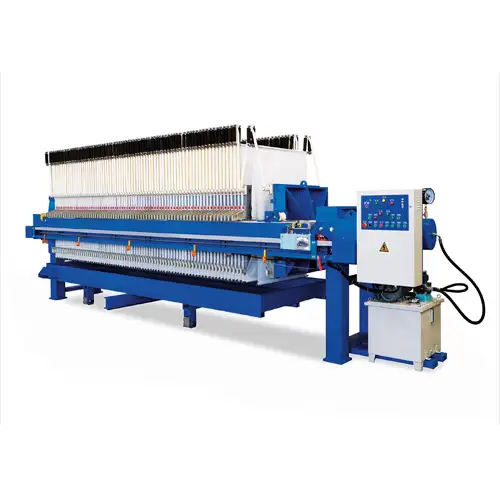
Key Components of Industrial Filtering Systems
Understanding the essential components of an industrial filtering system helps in making informed procurement decisions.
Filter Media
Filter media, such as cloth, membranes, or cartridges, determines the system’s efficiency and selectivity. Materials are chosen based on chemical compatibility, particle size, and temperature resistance. Selecting the right media ensures long-term operational stability and consistent filtration output.
Filter Housing
The filter housing contains and supports the media while maintaining the correct pressure and flow. Robust construction is necessary to withstand industrial pressures and prevent leaks, which can compromise safety and efficiency.
Pumps and Valves
Integrated pumps and valves regulate flow and pressure across the filtering system. Properly designed configurations reduce wear on filter media and minimize energy consumption.
Industrial Applications of Filtering Systems
Industrial filtering systems are applied across multiple sectors, each with distinct requirements and operational challenges.
Wastewater Treatment
Industrial facilities generate effluents containing solids, chemicals, and other contaminants. Efficient filtration ensures compliance with discharge regulations and protects downstream equipment. For guidance on managing effluents, consult our resource on industrial waste water pollution.
Chemical Processing
Chemical plants require filtration to separate reaction byproducts, purify solvents, and maintain product quality. Filtering systems must resist corrosive chemicals and high temperatures.
Food and Beverage Production
Filtration is crucial for ensuring hygiene, clarity, and taste in beverages and food products. Systems must be compliant with food safety standards and easy to clean.
Mining and Mineral Processing
Filtering systems remove fine particulate matter from slurry, recovering valuable minerals while protecting pumps and pipelines from abrasive wear.
Choosing the Right Industrial Filtering System
Selecting a suitable system depends on the type of material being processed, the desired clarity, and the operational environment.
Filtration Technology Types
- Pressure Filtration: Utilizes mechanical pressure to pass fluid through the filter media. Ideal for high-viscosity slurries.
- Vacuum Filtration: Creates a pressure differential using vacuum pumps. Effective for dewatering and cake formation.
- Gravity Filtration: Simple and cost-effective for low-volume or low-viscosity liquids.
Maintenance and Operational Considerations
Ease of maintenance, availability of replacement parts, and compatibility with existing equipment are critical factors for minimizing downtime and operational costs.
For technical assistance or customized solutions, contact our experts to discuss your system requirements.
Materials and Customization Options
Material choice affects longevity, chemical resistance, and filtration performance.
Filter Media Materials
Common materials include polypropylene, polyester, and woven fabrics. Each offers specific resistance to chemical exposure, temperature, and abrasion.
Customization for Process Needs
Systems can be tailored with varying filter plate designs, pressure ratings, and media types to match slurry properties and operational goals. This ensures optimal performance across applications.
Table: Comparison of Common Industrial Filter Media
Table 1: Characteristics of Popular Filter Media for Industrial Filtering Systems
| Material | Applications | Advantages | Limitations |
|---|---|---|---|
| Polypropylene | Wastewater, chemical slurries | Chemical resistance, cost-effective | Moderate temperature tolerance |
| Polyester | Mining, chemical processing | High thermal & dimensional stability | Limited strong acid resistance |
| Woven Nylon | Abrasive slurries | Excellent abrasion resistance | Sensitive to some chemicals |
Maintenance Tips for Longevity and Efficiency
Proper maintenance enhances filtration performance and extends equipment life.
Regular Inspection
Check filter media for wear, damage, or clogging. Replace or clean as recommended to maintain efficiency.
Cleaning and Backwashing
Periodic cleaning of media and housing reduces buildup and ensures consistent flow rates.
Operational Monitoring
Track pressure drops, flow rates, and filtrate quality to detect early issues and prevent costly downtime.
Benefits of Partnering with a Trusted Manufacturer
Working with a reliable industrial filter press manufacturer ensures access to technical expertise, OEM-grade materials, and custom solutions that fit your operational needs. Trusted suppliers help reduce downtime, improve product quality, and provide ongoing support for your filtration systems.
Frequently Asked Questions
What industries benefit most from industrial filtering systems?
Industries including wastewater treatment, chemical production, mining, food & beverage, and pharmaceuticals benefit significantly from high-quality filtering systems.
How often should filter media be replaced?
Replacement frequency depends on slurry type, operational pressure, and media durability. Regular inspection and maintenance schedules help optimize service life.
Can filtering systems be customized?
Yes, systems can be designed for specific process parameters, including media type, flow rate, pressure ratings, and slurry composition.
How do I ensure optimal filtration efficiency?
Select appropriate filter media, maintain equipment properly, and monitor operational parameters. Consulting with a manufacturer ensures compatibility and efficiency.
About Jingjin
Jingjin is a leading filter press manufacturer providing advanced solutions for solid-liquid separation across industrial sectors. Our team delivers custom-designed industrial filtering systems with optimized materials, technical support, and reliable performance for wastewater treatment, mining, chemical processing, and food industries. Partnering with Jingjin ensures operational efficiency, reduced downtime, and long-term value.
References
Wikipedia. Filter press. https://en.wikipedia.org/wiki/Filter_press
Water Environment Federation. Sludge Dewatering Fundamentals.
EPA. Industrial Wastewater Treatment.