


Advantages of Wastewater Management: How Industrial Enterprises Turn Environmental Responsibility into Operational Value
Jan 4, 2026
Why Wastewater Management Has Become a Business-Critical Strategy
The advantages of wastewater management extend far beyond environmental compliance. For modern industrial enterprises, effective wastewater management has become a strategic tool that directly influences operating costs, production stability, regulatory risk, and corporate reputation. As environmental regulations tighten worldwide and water resources become increasingly scarce, wastewater is no longer viewed as a disposable byproduct but as a controllable asset within industrial operations.
Manufacturers across sectors such as chemicals, metallurgy, food processing, pharmaceuticals, mining, and energy generation face growing pressure to reduce discharge volumes, meet strict effluent standards, and demonstrate sustainable practices to stakeholders. In this context, wastewater management shifts from a reactive treatment approach to a proactive system that supports long-term business resilience. Companies that invest in structured wastewater management systems gain predictable performance, reduced risk exposure, and greater flexibility in responding to regulatory and market changes.
Cost Reduction and Resource Efficiency Through Optimized Treatment
One of the most tangible advantages of wastewater management is cost reduction achieved through improved resource efficiency. Untreated or poorly managed wastewater often leads to excessive water consumption, high discharge fees, chemical overuse, and unplanned downtime caused by equipment fouling or system failures. A well-designed wastewater management strategy addresses these inefficiencies at their source.
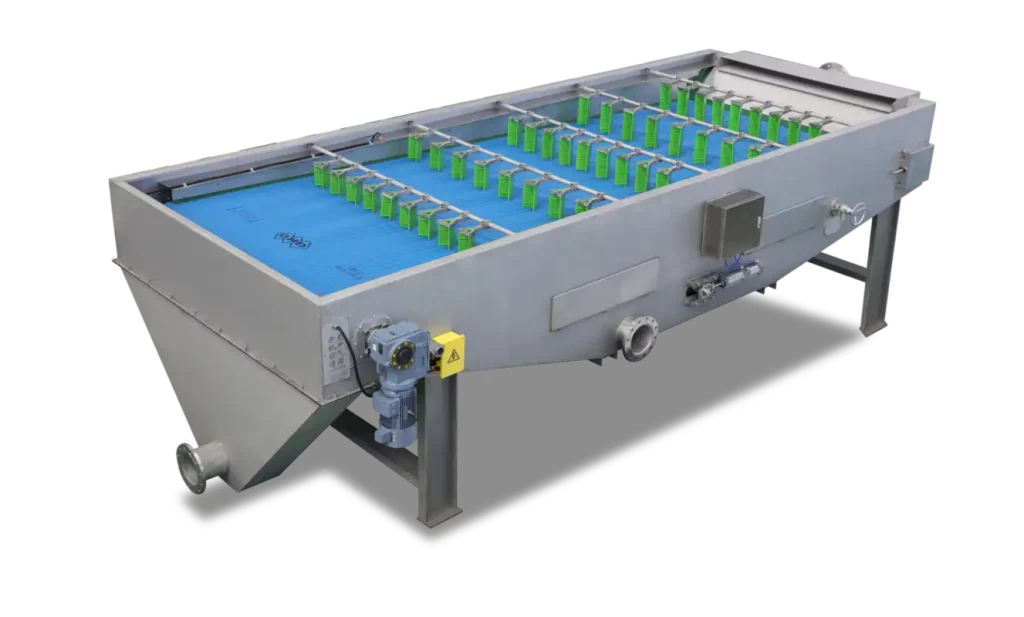
Modern treatment systems enable water reuse and recycling within industrial processes, significantly reducing freshwater intake. This is particularly valuable in water-intensive industries or regions facing water scarcity. By implementing advanced wastewater filtering technologies, companies can remove suspended solids, oils, and contaminants efficiently, extending the lifespan of downstream equipment and lowering maintenance costs.
Beyond direct savings, optimized wastewater management stabilizes production operations. Consistent effluent quality prevents sudden regulatory violations or emergency shutdowns, which are often far more expensive than preventive investment. For B2B decision-makers, predictable operating costs and reduced financial volatility represent a compelling return on investment.
Regulatory Compliance and Risk Mitigation for Industrial Operations
Another major advantage of wastewater management lies in regulatory compliance and risk control. Environmental regulations governing industrial wastewater discharge are becoming stricter, more complex, and more actively enforced. Non-compliance can result in heavy fines, production suspensions, reputational damage, and even loss of operating licenses.
A comprehensive wastewater management system provides transparency and control over discharge parameters such as chemical oxygen demand (COD), biological oxygen demand (BOD), suspended solids, and heavy metals. Continuous monitoring and standardized treatment processes allow companies to demonstrate compliance during inspections and audits with confidence.
From a risk management perspective, wastewater systems designed with redundancy and scalability reduce dependence on emergency responses. Instead of reacting to violations after they occur, enterprises can manage risks proactively. This approach is especially important for multinational manufacturers and exporters, where environmental performance increasingly influences supplier qualification and long-term contract opportunities.
Supporting Sustainable Development and ESG Objectives
Sustainability has become a central consideration for industrial enterprises, driven by investor expectations, customer requirements, and global ESG frameworks. The advantages of wastewater management play a critical role in achieving sustainability goals by reducing environmental impact and promoting responsible resource use.
Effective wastewater management minimizes pollutant discharge into natural water bodies, protecting ecosystems and public health. At the same time, it supports circular economy principles by enabling water reuse and recovery of valuable byproducts such as sludge solids or process chemicals. These practices not only improve environmental performance but also enhance corporate credibility in sustainability reporting.
For B2B companies, strong wastewater management capabilities are increasingly seen as a competitive differentiator. Customers and partners prefer suppliers that demonstrate environmental responsibility and operational transparency. In many industries, sustainable wastewater practices are no longer optional but a prerequisite for participation in global supply chains.
Choosing the Right Technology and Partners for Long-Term Performance
While the benefits of wastewater management are clear, achieving consistent results depends heavily on technology selection and partnership decisions. Treatment requirements vary widely depending on industry type, wastewater composition, discharge standards, and operational scale. A one-size-fits-all approach often leads to inefficiencies or performance gaps.
Working with experienced industrial filters manufacturers allows enterprises to design customized solutions that balance performance, cost, and reliability. High-quality filtration equipment, combined with proper system integration and after-sales support, ensures stable operation over the entire lifecycle of the wastewater management system.
From a strategic standpoint, the right technology partner does more than supply equipment. They provide process expertise, system optimization guidance, and long-term service capabilities that help industrial users adapt to changing regulations and production demands. For B2B buyers, this partnership approach transforms wastewater management from a compliance obligation into a value-generating asset.
Operational Stability and Long-Term Business Resilience
Beyond immediate financial and regulatory benefits, wastewater management contributes to overall operational stability and long-term business resilience. Industrial facilities with reliable wastewater systems are better prepared to handle production expansions, process changes, or market-driven shifts in output volume.
Stable wastewater performance reduces operational interruptions and supports continuous improvement initiatives across the plant. Over time, this stability enhances workforce efficiency, simplifies planning, and strengthens management confidence in scaling operations responsibly. In volatile regulatory and economic environments, the ability to control environmental risks internally becomes a key factor in sustaining growth.
About Jingjin
At Jingjin, we understand that the advantages of wastewater management extend well beyond environmental compliance. As a professional filtration equipment manufacturer and solution provider, Jingjin focuses on delivering high-performance wastewater treatment and solid-liquid separation solutions for industrial applications worldwide. Our products are designed to help enterprises reduce operating costs, improve treatment efficiency, and achieve stable, compliant wastewater management. With extensive industry experience and a strong commitment to innovation and quality, Jingjin supports B2B customers in building reliable wastewater systems that contribute to sustainable growth and long-term competitiveness.