


Industrial Vacuum Filters: Enhancing Efficiency and Reliability in Modern Manufacturing
Dec 10, 2025
Industrial vacuum filters have become a core component in today’s high-performance production environments. Whether managing slurry in mining operations, clarifying liquids in chemical plants, or supporting zero-discharge wastewater initiatives, these systems provide precise, energy-efficient solid-liquid separation. For B2B clients, understanding how industrial vacuum filters work, where they offer the highest value, and how to select the right configuration can significantly improve productivity and operational stability.
This comprehensive guide explores the working principles, applications, benefits, and integration strategies for industrial vacuum filters, helping engineers and procurement teams make fact-based decisions for long-term industrial reliability.
What Are Industrial Vacuum Filters and How Do They Work?
Industrial vacuum filters use negative pressure to pull liquid through a filtration medium, leaving solids behind as a filter cake. This process is more efficient and controllable than traditional gravity-based or pressure-driven filtration, making it ideal for high-volume industrial operations.
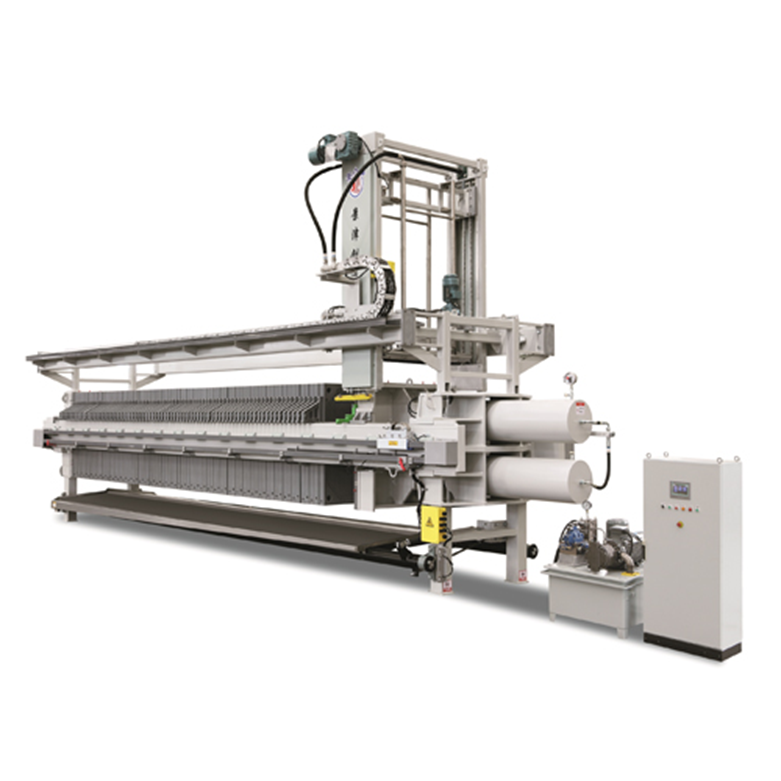
At the heart of their performance lies the use of a dedicated vacuum filtration system, engineered to enhance filtration speed, reduce moisture content, and maintain consistent output quality. These systems often include automated cake discharge, optimized vacuum pumps, and customizable filtration media to suit industry-specific demands.
Key Components
• Filtration drum or chamber
• Vacuum pump and pipeline
• Filter cloth or membrane
• Cake discharge mechanism
• Control system with pressure monitoring
The interplay of these components determines filtration speed, dryness levels, and energy consumption.
Industrial Applications Where Vacuum Filters Deliver Maximum Value
Because industrial vacuum filters handle large slurry volumes with high operational stability, many industries rely on them as a primary separation device.
Mining and Mineral Processing
Vacuum filters are essential for dewatering mineral slurries, concentrating ore, and reducing moisture for downstream smelting or transport. Their continuous operation and high throughput support the demanding scale of mineral production.
Chemical and Petrochemical Manufacturing
Chemical plants use vacuum filters to remove catalyst residues, clarify process liquids, and achieve precise particle separation. The gentle filtration environment helps preserve product purity while minimizing waste.
Pharmaceutical and Food Processing
For industries requiring hygienic, controlled separation, industrial vacuum filters ensure consistent clarity and strict compliance with safety standards.
Industrial Wastewater Treatment
Vacuum filtration plays a critical role in sludge dewatering, reducing disposal costs, and enabling cleaner discharge. When paired with advanced industrial filtration solutions, factories can significantly improve environmental performance and resource recovery.
Advantages of Industrial Vacuum Filters for Modern Factories
Industrial vacuum filters offer several advantages that make them attractive for high-demand B2B operations.
Higher Filtration Speed and Throughput
The vacuum pressure dramatically accelerates filtration, making the system suitable for round-the-clock production lines that cannot afford downtime.
Lower Moisture Content in Filter Cake
Producing a dryer cake reduces transportation and disposal costs while increasing the recovery rate of valuable solids.
Stable, Automated, and Low-Energy Operation
Modern industrial vacuum filters include automation features such as:
• Continuous filtration cycles
• Automatic cake discharge
• Intelligent vacuum regulation
• Self-cleaning systems
These capabilities reduce manpower requirements and help factories operate more sustainably.
Customizable for Diverse Industrial Needs
From filter media to chamber design, the system can be configured for corrosive chemicals, abrasive slurries, temperature-sensitive materials, or food-grade applications.
How to Select the Right Industrial Vacuum Filter for Your Application
Choosing the right filter requires a careful evaluation of process conditions and output requirements. Industrial buyers often evaluate the following factors:
1. Characteristics of the Slurry
• Particle size and distribution
• Solid concentration
• Chemical composition
• Abrasiveness and temperature
These determine filtration speed, cloth selection, and vacuum levels.
2. Desired Cake Dryness and Filtrate Clarity
Industries focused on resource recovery may prioritize cake dryness, while chemical plants often emphasize liquid clarity.
3. Operational Scale and Automation
Factories using continuous production typically require rotary vacuum drum filters or horizontal vacuum belt filters, while batch systems may opt for more compact designs.
4. Maintenance Requirements and Long-Term Costs
Look for solutions designed for easy replacement of wear parts, long membrane life, and efficient energy use.
Why Industrial Vacuum Filters Are Essential for Future-Ready Manufacturing
As industries move toward automation, energy optimization, and environmental compliance, industrial vacuum filters are becoming central to factory modernization strategies. They enable:
• Higher production efficiency
• Lower water and energy usage
• Improved waste management
• Enhanced product purity
• Reliable operation under demanding conditions
With more manufacturers adopting circular economy principles, vacuum filtration supports both economic performance and regulatory compliance, making it an essential investment for sustainable growth.
About Jingjin
Jingjin is one of the world’s leading providers of industrial filtration equipment, offering high-performance solutions for mining, chemical processing, environmental engineering, food production, and municipal wastewater treatment. With decades of filtration expertise, Jingjin develops advanced vacuum filtration systems, filter presses, membranes, and engineered industrial filtration solutions that help clients improve efficiency, reduce operating costs, and meet today’s sustainability demands. Jingjin continues to support global industrial partners with reliable engineering, responsive service, and technology-driven innovation.