


Recycling of Waste Water: Is It the Key to Sustainable and Cost-Efficient Industrial Operations?
Fév 4, 2026
Recycling of waste water is no longer just an environmental aspiration; it has become a practical, economically sound strategy for modern industry. For manufacturers, utilities, and large-scale processors, the answer to whether wastewater recycling is worth investing in is increasingly clear: yes, when designed correctly, it reduces freshwater dependency, lowers discharge costs, ensures regulatory compliance, and stabilizes long-term operations. Across industries such as mining, chemicals, food processing, and energy, real-world examples show that well-engineered recycling systems can turn wastewater from a liability into a reusable resource.
As water scarcity intensifies and environmental regulations tighten, industrial decision-makers are re-evaluating how water moves through their facilities. Instead of treating wastewater as an end-of-pipe problem, leading plants now integrate recycling into their core production strategy, with filtration technologies playing a central role.
Why Recycling of Waste Water Has Become a Strategic Priority for Industry
Industrial water use is under pressure from multiple directions. Rising water costs, stricter discharge standards, and public scrutiny are reshaping how companies manage water resources.
Regulatory Pressure and Compliance Risks
Governments and environmental agencies worldwide are enforcing tougher discharge limits on suspended solids, heavy metals, chemical oxygen demand, and other pollutants. Non-compliance can lead to fines, shutdowns, or loss of operating licenses.
Recycling wastewater internally reduces discharge volumes and pollutant loads, making compliance easier and more predictable.
Cost Control and Operational Stability
Freshwater intake, wastewater discharge fees, and sludge disposal costs continue to rise. Recycling reduces reliance on external water sources and lowers the volume of waste requiring treatment or disposal.
For water-intensive industries, even modest recycling rates can translate into substantial annual savings.
Sustainability and Corporate Responsibility
Sustainability targets are no longer optional for many global manufacturers. Water recycling supports environmental, social, and governance goals while enhancing brand reputation and stakeholder trust.
How Industrial Wastewater Recycling Systems Actually Work
Recycling wastewater is not a single technology but a system-level approach combining physical, chemical, and sometimes biological processes.
Core Treatment Stages
Most industrial recycling systems follow a structured sequence:
Primary treatment to remove coarse solids and debris
Physicochemical treatment to separate suspended solids and contaminants
Advanced filtration or polishing for reuse-quality water
Sludge dewatering and solids handling
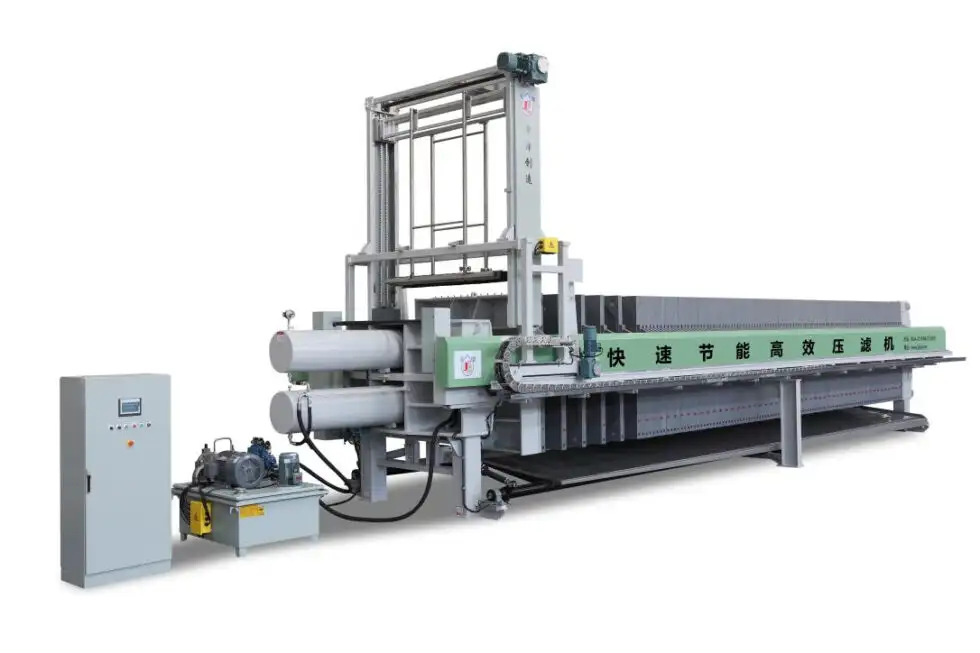
Filtration equipment, especially filter presses, plays a decisive role in separating solids efficiently and enabling water reuse.
The Role of Filtration in Water Reuse
Filtration bridges the gap between wastewater treatment and water recycling. By efficiently removing suspended solids, filtration improves water clarity, reduces downstream treatment load, and produces reusable water suitable for process reuse, cooling, or cleaning.
In many systems, an industrial filter press is the backbone of solid-liquid separation, enabling high capture efficiency and low residual moisture in filter cakes.
Why Filter Press Technology Is Central to Recycling of Waste Water
Filter presses are widely adopted in wastewater recycling because they deliver high separation efficiency with relatively low energy consumption.
High Solids Capture and Water Recovery
Compared with sedimentation or simple thickening, filter presses achieve much higher solids removal. This results in clearer filtrate that can be reused directly or sent to polishing stages such as membrane filtration.
High capture efficiency also minimizes the risk of contaminants accumulating in recycled water loops.
Compact Footprint and Scalability
Industrial filter presses offer a compact solution compared with large settling tanks or lagoons. Modular designs allow capacity expansion as production grows or recycling targets increase.
This scalability is particularly valuable for manufacturers operating in space-constrained facilities.
Reduced Sludge Disposal Costs
By producing drier filter cakes, filter presses reduce sludge volume and weight. This lowers transportation and disposal costs, which often represent a significant portion of wastewater treatment expenses.
Recycling of Waste Water Across Key Industrial Sectors
Mining and Mineral Processing
Mining operations generate large volumes of slurry-rich wastewater. Recycling enables water reuse in grinding, flotation, and dust suppression, reducing freshwater withdrawal in remote or arid regions.
Chemical and Process Industries
In chemical plants, wastewater recycling stabilizes water quality for reuse in washing, cooling, or auxiliary processes. Consistent filtration performance is critical to prevent contaminants from interfering with production.
Food and Beverage Manufacturing
Although hygiene standards are strict, partial recycling is common for non-product-contact uses such as equipment washing or cooling towers. Effective filtration ensures regulatory compliance and operational safety.
Power and Energy Generation
Thermal power plants and refineries rely heavily on water for cooling. Recycling treated wastewater reduces intake from rivers or municipal supplies, improving resilience during droughts.
For a broader system-level perspective, this overview of industrial water and wastewater treatment highlights how integrated designs support efficient recycling strategies.
Performance Metrics That Matter in Wastewater Recycling Projects
Decision-makers evaluating recycling projects typically focus on measurable outcomes rather than theoretical benefits.
Table 1: Key Performance Indicators in Industrial Wastewater Recycling
| Indicator | Why It Matters | Typical Impact |
|---|---|---|
| Water recovery rate | Measures reuse efficiency | Reduced freshwater intake |
| Filtrate clarity | Determines reuse suitability | Lower downstream treatment |
| Sludge dryness | Affects disposal cost | Lower transport expenses |
| Energy consumption | Impacts operating cost | Improved cost efficiency |
| System reliability | Ensures production continuity | Reduced downtime |
Economic Considerations and Return on Investment
While initial capital investment can be significant, wastewater recycling projects often deliver attractive payback periods.
Savings come from reduced water procurement, lower discharge fees, minimized sludge disposal, and avoided regulatory penalties. In regions with water scarcity or strict environmental regulations, recycling systems may be economically unavoidable rather than optional.
At the midpoint of system design, many operators engage directly with equipment manufacturers to tailor solutions to their process realities. For project-specific consultation and system design support, decision-makers can reach out via this contact channel.
Common Challenges in Recycling of Waste Water and How to Address Them
One common challenge is fluctuating wastewater composition. Variations in production can change solids concentration or chemical properties, affecting filtration performance.
This is addressed through flexible system design, adjustable operating parameters, and robust filtration equipment capable of handling variability.
Another challenge is over-treatment. Designing for unnecessarily high water quality increases costs without delivering proportional benefits. Clear definition of reuse objectives helps avoid this pitfall.
Frequently Asked Questions About Recycling of Waste Water
Is recycled wastewater safe for industrial reuse?
Yes, when treated to appropriate standards. Reuse quality is defined by application, not by drinking water criteria.
Can wastewater recycling reduce regulatory risk?
Absolutely. Lower discharge volumes and improved effluent quality simplify compliance and reduce exposure to penalties.
Are filter presses suitable for continuous operations?
Yes. Modern filter presses are automated and designed for continuous industrial duty with minimal operator intervention.
How much water can typically be recycled?
Recovery rates vary by industry, but many plants achieve 60 to 90 percent reuse with well-designed systems.
Does recycling increase maintenance complexity?
Not necessarily. While systems require monitoring, modern filtration equipment is designed for reliability and ease of maintenance.
Why Jingjin Is a Trusted Partner in Wastewater Recycling Solutions
Jingjin is a globally recognized filter press manufacturer with deep expertise in wastewater recycling for industrial applications. Our solutions are engineered to deliver high solids capture, stable operation, and long-term cost efficiency across diverse industries.
By combining robust equipment design with process knowledge, Jingjin helps customers transform wastewater management into a strategic advantage, supporting sustainability goals while protecting operational performance.
References
Wikipedia, “Wastewater,” https://en.wikipedia.org/wiki/Wastewater
Wikipedia, “Water recycling,” https://en.wikipedia.org/wiki/Water_recycling
United States Environmental Protection Agency, “Water Reuse,” https://www.epa.gov/waterreuse