


Industrial Water and Water Pollution: How Can Industries Effectively Minimize Contamination and Ensure Compliance?
Fév 13, 2026
Industrial water and water pollution are critical challenges for modern industries, including chemical processing, mining, food production, and manufacturing. Contaminated water can reduce operational efficiency, damage ecosystems, and lead to regulatory penalties. Companies need to implement comprehensive water management strategies that incorporate advanced treatment technologies, monitoring, and maintenance practices.
Understanding the sources of industrial water pollution and applying appropriate solutions ensures that industries can operate sustainably, comply with environmental regulations, and optimize resource usage.
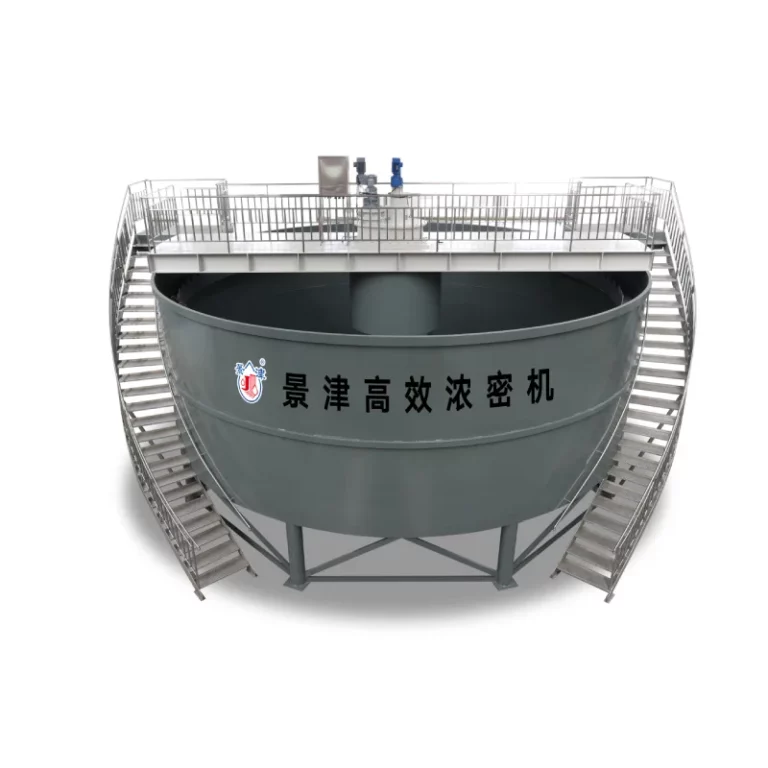
Common Sources of Industrial Water Pollution
Industrial water pollution can originate from a variety of processes depending on the type of industry.
Chemical Effluents
Chemical plants, metal processing facilities, and mining operations often discharge acids, solvents, or reactive compounds into wastewater. These chemicals can disrupt aquatic ecosystems and create compliance issues if not properly treated. Employing neutralization and chemical precipitation methods reduces toxicity and prepares wastewater for further treatment.
Suspended Solids
Food processing, mineral extraction, and construction industries frequently generate high concentrations of suspended solids. These particles increase turbidity and strain downstream treatment systems. Utilizing solid liquid separation equipment allows industries to efficiently remove solids, improving water clarity and protecting treatment infrastructure.
Heavy Metals
Certain industrial activities release heavy metals such as lead, mercury, and cadmium, which pose significant environmental and health risks. Advanced treatment systems, including precipitation and filtration, are required to remove these metals from wastewater streams before discharge.
Thermal and Organic Contaminants
Water discharged at elevated temperatures or containing high organic content can harm aquatic life. Biological pollutants, including bacteria and nutrients that promote algal blooms, further complicate treatment. Temperature control, retention systems, and biological treatment processes are essential for minimizing these impacts.
Industrial Water Treatment Technologies
Mechanical Filtration and Dewatering
Mechanical filtration is a fundamental step in industrial wastewater management. A high-performance industrial filter press can process large volumes of slurry, producing clear filtrate while minimizing sludge volume.
Advantages of Industrial Filter Presses
- Capture high concentrations of solids efficiently
- Enable recovery of valuable byproducts
- Support continuous industrial operation with minimal downtime
Maintenance Best Practices
- Regular inspection of filter plates and cloths
- Monitor feed slurry concentration and pressure
- Implement scheduled preventive maintenance to avoid unexpected failures
Chemical Treatment
Chemical precipitation, coagulation, and flocculation are effective for removing dissolved metals and fine particulates. Precise dosing, effective mixing, and monitoring are critical to achieving optimal removal and consistent water quality.
Biological Treatment
Activated sludge systems and biofilters degrade organic contaminants. These methods are widely used in food, beverage, and pharmaceutical industries to reduce biological oxygen demand (BOD) and ensure effluent compliance.
Integrated Treatment Systems
Many facilities combine mechanical, chemical, and biological methods to treat complex effluents. An integrated approach enables water reuse, reduces environmental impact, and ensures compliance with stringent regulations.
For tailored solutions for your facility, contact our team to discuss customized industrial water treatment systems.
Performance Metrics for Industrial Water Management
Monitoring key parameters ensures water treatment systems operate efficiently and meet regulatory requirements.
Table 1: Essential Industrial Water Treatment Metrics
| Parameter | Typical Range | Measurement Method | Notes |
|---|---|---|---|
| Suspended Solids | <50 mg/L | Gravimetric or turbidity test | Depends on feedwater quality |
| Chemical Oxygen Demand (COD) | <100 mg/L | Standard chemical test | Reflects organic load |
| pH | 6.5–9.0 | pH meter | Ensures regulatory compliance |
| Heavy Metals | Within regulatory limits | Atomic absorption spectroscopy | Varies by industry |
Case Studies of Effective Water Pollution Control
Mining Operations
Tailings and slurry from mining operations often contain heavy metals and high solid content. Implementing a Jingjin filter press reduced suspended solids by over 80%, improved water reuse, and lowered disposal costs.
Chemical Manufacturing
Chemical plants combining precipitation and filter press dewatering successfully minimized heavy metal discharge, meeting stringent environmental regulations.
Food Processing Facilities
High BOD organic wastewater was dewatered using filter presses, reducing biological contamination and improving treatment efficiency.
Power Generation
Thermal discharges from power plants were mitigated using cooling systems combined with filtration, reducing water temperature before release and protecting aquatic ecosystems.
Challenges and Solutions
Excessive Solids
- Cause: Inefficient separation or improper equipment selection
- Solution: Use high-efficiency industrial water and wastewater treatment systems with proper monitoring and maintenance
Chemical Overload
- Cause: Improper dosing or incomplete reactions
- Solution: Employ automated chemical dosing and real-time monitoring
Thermal Pollution
- Cause: High-temperature effluent discharge
- Solution: Install retention tanks or heat exchangers to reduce temperature before environmental release
Sludge Management
- Cause: Large volumes of sludge from solid-liquid separation
- Solution: Dewater sludge with filter presses to reduce disposal costs and allow resource recovery
FAQ
What is industrial water pollution?
Industrial water pollution is contamination caused by chemicals, solids, or thermal discharge from industrial processes.
How does a filter press assist in treatment?
Filter presses remove solids efficiently, reduce sludge volume, and produce clear filtrate suitable for reuse or discharge.
How often should equipment be maintained?
Daily inspections, weekly cleaning, and quarterly performance evaluations are recommended.
Can treated water be reused?
Yes, treated water can reduce freshwater consumption and operational costs.
Which regulations govern industrial wastewater?
Regulations vary globally, including the U.S. EPA standards and the EU Water Framework Directive.
About Jingjin
Jingjin specializes in providing advanced industrial filter press solutions for industries worldwide. Our systems are designed for efficiency, reliability, and compliance across mining, chemical, food, and municipal sectors. By leveraging our expertise, industries can achieve sustainable water management while optimizing operational performance.
References
- Industrial water – Wikipedia
https://en.wikipedia.org/wiki/Industrial_water - Water pollution – Wikipedia
https://en.wikipedia.org/wiki/Water_pollution - Industrial wastewater treatment fundamentals – Water Environment Federation
https://www.wef.org/resources/ - Solid-liquid separation – ScienceDirect
https://www.sciencedirect.com/topics/engineering/solid-liquid-separation