


Why Is Your Filter Press Leaking and How Can You Fix It Efficiently?
Mrz 27, 2026
Filter press leaking is one of the most common operational issues in solid-liquid separation systems, and it can significantly impact productivity, safety, and operating costs. In short, leakage typically occurs due to improper sealing, worn components, misalignment, or incorrect operating conditions. If left unresolved, even minor leaks can lead to reduced filtration efficiency, contamination, and increased maintenance downtime. The good news is that most leakage problems are predictable and preventable with the right technical approach and maintenance strategy.
This article provides a structured, decision-maker–focused analysis of filter press leaking, including root causes, diagnostic methods, and proven solutions for industrial operations.
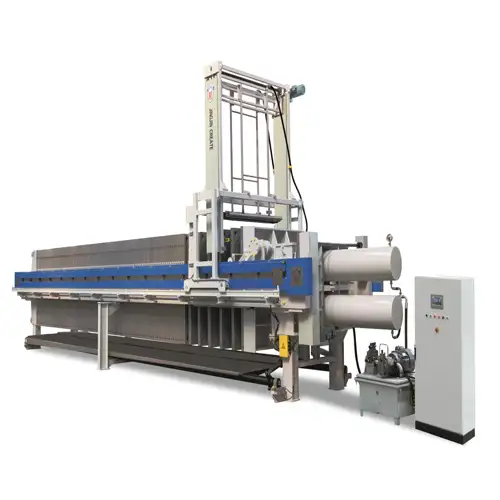
What Causes Filter Press Leaking in Industrial Applications?
Filter press systems operate under high pressure, forcing liquid through filter media while retaining solids. Any weakness in sealing or structural integrity can result in leakage.
Plate Misalignment
One of the most frequent causes of filter press leaking is improper alignment of filter plates. When plates are not perfectly aligned, gaps can form between them, allowing slurry to escape during filtration.
Misalignment may result from:
- Uneven hydraulic pressure
- Worn guide rails
- Improper plate installation
Even a small deviation can compromise sealing integrity across the entire plate stack.
Damaged or Worn Filter Cloths
Filter cloths act as the primary filtration medium, but they also contribute to sealing performance. Tears, clogging, or improper installation can create leakage paths.
Over time, chemical exposure and mechanical stress degrade cloth materials, reducing their effectiveness.
Insufficient Closing Pressure
The hydraulic system must apply adequate pressure to compress the plate stack and ensure tight sealing. If the pressure is too low, gaps may remain between plates.
This issue is often linked to:
- Hydraulic system faults
- Incorrect pressure settings
- Seal wear in hydraulic components
Gasket and Sealing Surface Damage
Sealing surfaces and gaskets must remain smooth and intact. Any damage, such as scratches or deformation, can lead to leakage.
In corrosive environments, material degradation is a common cause of sealing failure.
How Filter Press Leaking Affects Operational Efficiency
Leakage is not just a maintenance issue; it directly affects overall process performance.
Reduced Filtration Efficiency
When slurry leaks from the sides of the plates, it bypasses the filtration process. This reduces separation efficiency and can lead to lower cake quality.
Increased Cleaning and Maintenance Costs
Leaked slurry accumulates around the equipment, requiring additional cleaning and increasing labor costs. In some cases, it can also damage surrounding equipment.
Environmental and Safety Risks
In industries handling hazardous materials, leakage can pose environmental and safety risks. Proper containment and rapid response are essential.
Shortened Equipment Lifespan
Persistent leakage can accelerate wear on components, leading to more frequent replacements and higher capital expenditure.
For operations using advanced systems such as a matec filter press, maintaining proper sealing conditions is essential to preserving performance and longevity.
Diagnostic Methods to Identify Leakage Sources
Accurate diagnosis is the first step toward effective resolution.
Visual Inspection
Operators should regularly inspect the plate stack for visible signs of leakage, such as dripping slurry or uneven wet patterns.
Pressure Monitoring
Monitoring hydraulic pressure helps identify whether insufficient closing force is contributing to leakage.
Plate and Cloth Examination
Removing and inspecting plates and cloths can reveal damage, wear, or improper installation.
Operational Data Analysis
Analyzing filtration cycles, pressure trends, and throughput data can help identify patterns associated with leakage events.
Effective Solutions to Prevent and Fix Filter Press Leaking
Addressing leakage requires a combination of mechanical adjustments, component replacement, and process optimization.
Ensure Proper Plate Alignment
Regularly check and adjust plate alignment to maintain uniform compression across the stack. This may involve servicing guide rails and ensuring proper installation procedures.
Maintain Optimal Hydraulic Pressure
Verify that the hydraulic system is functioning correctly and delivering the required pressure. Routine maintenance of pumps and seals is essential.
Replace or Clean Filter Cloths
Cloth maintenance is critical. Regular cleaning prevents clogging, while timely replacement ensures consistent performance.
Repair or Replace Sealing Components
Damaged gaskets and sealing surfaces should be repaired or replaced immediately to restore integrity.
Upgrade to Advanced Filtration Systems
Modern systems, such as a membrane filter press, offer enhanced sealing and dewatering performance, reducing the likelihood of leakage.
Contact our technical team to diagnose and eliminate filter press leakage in your system
Common Leakage Issues and Recommended Solutions
| Leakage Issue | Likely Cause | Recommended Solution |
|---|---|---|
| Slurry dripping from sides | Plate misalignment | Realign plates and check rails |
| Leakage between plates | Insufficient pressure | Adjust hydraulic system |
| Uneven wet spots | Damaged filter cloth | Replace or clean cloth |
| Persistent minor leaks | Worn gaskets | Replace sealing components |
| Sudden major leakage | Structural damage | Inspect and repair plates |
Table 1: Common filter press leaking issues and corrective actions
This structured approach helps maintenance teams quickly identify and resolve problems.
Preventive Maintenance Strategies to Avoid Leakage
Preventing leakage is more cost-effective than addressing it after it occurs.
Routine Inspection Schedule
Implement a regular inspection schedule to detect early signs of wear or misalignment.
Operator Training
Ensure that operators are trained in proper installation, operation, and maintenance procedures.
Spare Parts Management
Maintain an inventory of critical spare parts, including filter cloths and gaskets, to minimize downtime.
Process Optimization
Stabilizing feed conditions and operating parameters reduces stress on the system and minimizes leakage risk.
Future Trends in Reducing Filter Press Leaking
Technological advancements are improving sealing performance and reliability.
Smart monitoring systems can detect pressure variations and alignment issues in real time, enabling proactive intervention.
Improved materials for filter cloths and gaskets offer greater resistance to wear and chemical exposure.
Automation is also enhancing consistency, reducing human error in plate alignment and operation.
These innovations are helping industries move toward more reliable and efficient filtration systems.
FAQ: Filter Press Leaking
What is the most common cause of filter press leaking?
Plate misalignment and insufficient hydraulic pressure are among the most common causes.
Can leaking be fixed without stopping the system?
Minor adjustments may be possible, but most repairs require stopping the system for safety reasons.
How often should filter cloths be replaced?
Replacement depends on usage and operating conditions, but regular inspection is essential.
Does upgrading equipment reduce leakage?
Yes, modern systems with improved sealing design can significantly reduce leakage risks.
Is leakage always a sign of equipment failure?
Not necessarily. It may indicate maintenance issues or incorrect operating conditions rather than structural failure.
About Jingjin
Jingjin is a leading manufacturer of advanced filtration equipment, specializing in high-performance filter press solutions for global industries. With a strong focus on engineering innovation, product reliability, and customized system design, Jingjin helps clients achieve efficient and stable filtration processes. From standard systems to advanced configurations, Jingjin is committed to minimizing filter press leaking and maximizing operational performance.